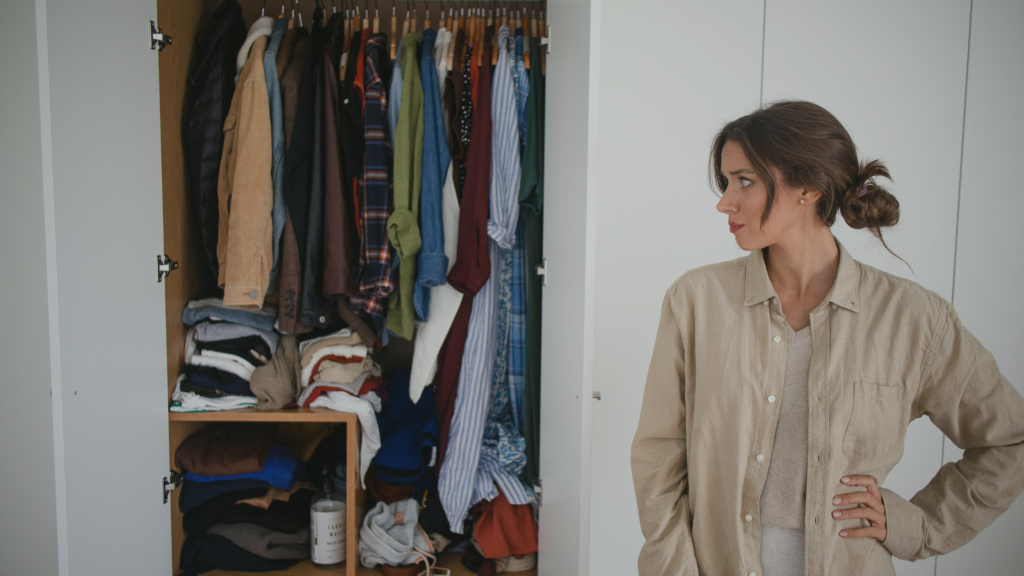
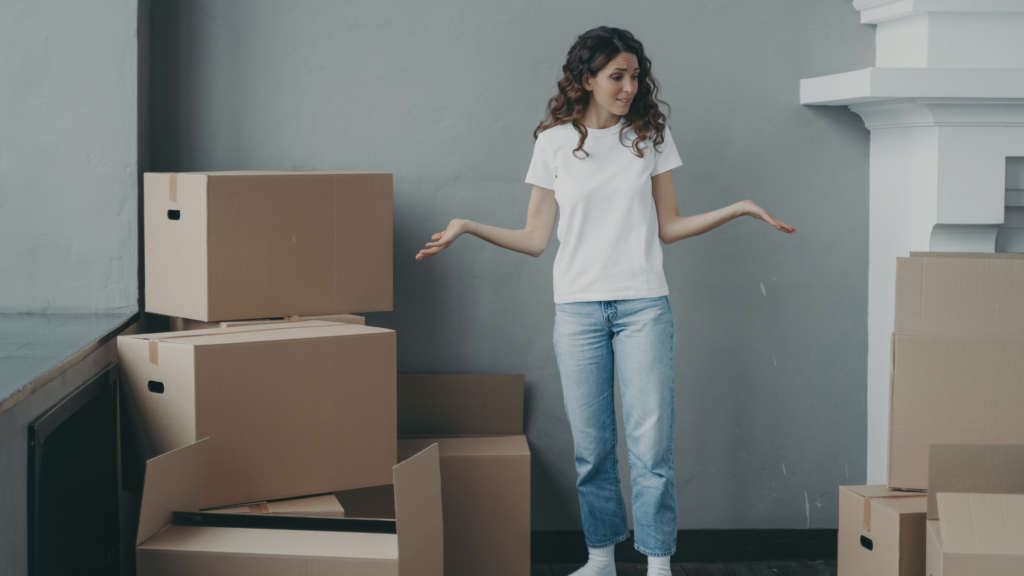
An organized home doesn’t require everyone to do things the same way. It requires systems that work for the people who live there.
Have you ever organized a space, felt great about how it turned out, and then watched it slowly return to the way it was before? Maybe you put everything away, but your family keeps leaving things on the counter. Perhaps you created a system for storing everyday items, but no one else seems to follow it.
It can be frustrating, especially when you feel like you’re the only person trying to keep things organized.
The good news is that the problem may not be a lack of effort. Sometimes, the system simply doesn’t work for everyone in your household. With a few thoughtful adjustments, you can create an organized home that’s easier for everyone to maintain.
Stop Organizing for an Ideal Routine
It’s easy to organize your home around how you think things should happen. Shoes should go in the closet. Mail should be sorted immediately. Laundry should be folded and put away as soon as it’s clean.
But real life doesn’t always follow the plan.
If your family naturally drops keys, bags, and mail near the kitchen, a storage system on the opposite side of the house probably won’t stick. If putting away laundry requires navigating an overflowing closet, clean clothes may end up in a basket for days.
Instead of trying to force new habits, look at what people already do. Where do items naturally land? Which tasks get put off? What makes putting things away difficult?
Use those observations to create systems that fit your household’s actual routines.
Make Organization Easy to Follow
The best organizing system is one people can use without having to think too hard about it.
That might mean adding a basket near the door for everyday shoes, creating a designated spot for incoming mail, or keeping frequently used kitchen items within easy reach.
Consider these simple adjustments:
- Give everyday items convenient homes. Store things close to where they’re used, not necessarily where they seem like they belong.
- Keep systems simple. Complicated labels, multiple steps, or overly specific categories can make putting things away feel like a chore.
- Make storage accessible. If something is difficult to reach, open, or put away, people may avoid using its designated space.
- Create shared spaces everyone understands. Make sure household members know where commonly used items belong.
A system doesn’t have to look elaborate to be effective. In fact, the simpler it is to use, the more likely it is to last.
Let Go of the Idea That Everyone Must Organize the Same Way
One person may love neatly folded clothes and labeled containers. Another may prefer a simple drawer where everything is easy to find.
Neither approach is automatically wrong.
The goal isn’t to make everyone organize exactly as you do. It’s to establish enough consistency that the home functions well for everyone.
For example, family members might have individual methods for organizing their personal belongings while agreeing on shared expectations for the kitchen, living room, or entryway.
Focus on what matters most: being able to find what you need, return items to their designated homes, and use your spaces comfortably.
Make Room for Different Needs and Life Stages
Households change over time. Children grow up, family members move in or out, work arrangements change, and caregiving responsibilities can affect daily routines.
An organizing system that worked perfectly a few years ago may no longer meet your needs.
When something stops working, it doesn’t necessarily mean you’ve failed to stay organized. It may simply be time to reevaluate the space.
Ask yourself whether your storage still fits the items you own, whether your routines have changed, and whether everyone can use the space comfortably. Adjusting your systems as life changes can help prevent clutter from building up again.
When Getting Organized Becomes a Team Effort
If you’re the person who usually handles the organizing, it can be tempting to take on the entire job yourself. But involving the people who use a space can make a significant difference.
Ask household members what frustrates them about the current setup and what would make it easier to maintain. You may discover that someone isn’t ignoring the system intentionally. They may not know where something belongs, or the designated spot may not be practical.
Start with one shared space and work together to find a solution. Even small improvements can make daily routines smoother and reduce the frustration that comes from repeatedly picking up after everyone else.
Create a Home That Works for Your Whole Household
An organized home isn’t about perfection, and it certainly isn’t about making everyone follow one person’s rules. It’s about creating spaces that support your routines, accommodate different habits, and make everyday life a little easier.
At Lasting Order Organizing, we understand that every household is different. Our professional organizers work with you to develop practical, personalized systems that fit your belongings, your lifestyle, and your needs.
If you’re tired of organizing the same spaces over and over again, we’re here to help. Contact Lasting Order Organizing to schedule your free in-home consultation and discover how a more functional home can work for everyone who lives there.